

Interior Design and Commercial Properties: How Strategic Design Transforms Business Performance
Interior design is no longer just about making a space look attractive; in commercial properties, it is a powerful strategic tool that can directly influence performance, profitability and brand perception. From offices and hotels to retail units and restaurants, the way a space is designed affects how people behave, how long they stay, how much they spend and how they feel about the business.
In a workplace, for example, strategic design can radically improve productivity and staff wellbeing. Consider the impact of natural light, acoustic control, ergonomic furniture and thoughtfully planned circulation routes. These are not aesthetic luxuries: they are measurable drivers of focus, collaboration and retention. A well-designed office reduces fatigue, supports different work styles and communicates the company’s culture the moment someone walks through the door. Staff who feel comfortable and valued in their environment are more engaged, more loyal and more likely to perform at their best.
In customer-facing environments, interior design has a direct link to revenue. Retail spaces that guide customers intuitively through the store, highlight priority products and create a clear journey tend to see higher basket values and better conversion rates. Lighting, layout, materials and even scent can be orchestrated to encourage browsing, evoke trust and subtly influence buying decisions. In hospitality, design shapes the entire guest experience: from the welcome at reception to the ambience in the dining area and the comfort of lounge spaces. A memorable, coherent interior not only attracts new guests but also encourages repeat visits and positive reviews, which are vital for long-term growth.
Crucially, strategic interior design also builds and reinforces brand identity. A well-conceived commercial space tells a story about who you are as a business and what you stand for, without a word being spoken. Colour palettes, textures, signage, artwork and spatial planning can all be aligned with your brand values and target audience. A technology firm might prioritise clean lines, flexibility and innovation-led features; a heritage retailer may lean into warmth, craftsmanship and narrative displays. When every design decision supports your brand message, customers experience consistency and clarity, which builds trust and loyalty.
There is also a strong financial argument for taking interior design seriously. Thoughtful planning can optimise usable floor area, increase seating capacity without compromising comfort, and improve the flow of people through the space. This can translate into higher revenue per square foot and a better return on investment. At the same time, integrating energy-efficient lighting, durable materials and adaptable layouts can reduce long-term operating and refurbishment costs. An interior that is designed to evolve with the business will stay relevant longer and require fewer disruptive overhauls.
In a competitive market, commercial properties that ignore the strategic power of interior design risk falling behind. Customers and employees now compare physical experiences as easily as they compare prices online. Those businesses that invest in interiors which work hard on every level – operational, emotional and financial – gain a real advantage. Strategic design is not an optional finishing touch; it is a core business tool that can transform how your company performs, how it is perceived and how successfully it grows.
Why Interior Design Matters in Commercial Properties More Than Ever
Interior design and commercial properties are now inseparable from brand strategy, staff wellbeing and bottom-line results. In a market where customers and employees have more choice than ever, the way a space looks, feels and functions can be the deciding factor between engagement and indifference, loyalty and turnover, purchase and walk-away.
Commercial interior design has moved far beyond choosing colours and furniture. Today’s workplace interiors are strategic tools: they influence productivity, collaboration, and even talent retention. A well-planned office fit-out doesn’t just give you a smarter-looking space; it supports new ways of working, embeds company culture and enables your teams to perform at their best. In a hybrid-working world, your office has to earn the commute, and a thoughtful commercial refurbishment is often what turns a standard workplace into a genuine destination.
The same is true in customer-facing environments. Retail interiors must work harder than ever to give people a reason to visit in person rather than shop online. Layout, lighting, materials and signage all play a crucial role in guiding customers, encouraging dwell time and ultimately driving sales. In hospitality design, guests are no longer satisfied with somewhere that’s simply comfortable; they expect a memorable, shareable experience that reflects your brand story from reception to restaurant and beyond.
Every square metre of a commercial property is an investment. Poorly considered interiors waste that investment through underused areas, disengaged staff and missed opportunities with clients and customers. By contrast, targeted commercial refurbishment aligned with your goals can unlock value you didn’t know was there: improved efficiency, stronger brand recognition and higher satisfaction on both sides of the counter.
In short, interior design and commercial properties are no longer a nice-to-have pairing; they are a must-have partnership. Whether you are refreshing workplace interiors, reimagining retail interiors or planning a full hospitality design scheme, the decisions you make now about your environment will shape how people experience your business for years to come.
The Business Case: How Interior Design Impacts Profit, Productivity and Brand Perception
When you look at interior design through a commercial lens rather than a cosmetic one, it becomes a clear business lever, not a “nice-to-have”. A considered commercial design strategy can directly influence your return on investment in interior design by shaping how your people work, how your customers feel and how your brand is perceived.
In the workplace, design directly affects how teams perform. Light levels, acoustics, ergonomics, spatial layout and access to quiet or collaborative zones all contribute to whether staff can focus, think creatively and work efficiently. A well-planned environment can significantly boost employee productivity by reducing distractions, shortening wayfinding times and supporting different workstyles. At the same time, spaces that feel safe, comfortable and aligned with your values support wellbeing and staff retention; people are more likely to stay with an organisation that invests in a space they are proud to work in.
For customer-facing environments, interior design is inseparable from brand experience and the customer journey. From the moment a visitor crosses the threshold, the space is communicating: the materials you choose, the lighting, the flow, even the scent and soundscape create a powerful, often subconscious impression of your brand’s quality, values and price point. A strategic layout can guide people intuitively through services and product ranges, increase dwell time in high-margin areas and remove friction from key decision-making moments. Done well, these design decisions are reflected in a measurable sales uplift, higher average transaction values and improved conversion rates.
Ultimately, a cohesive commercial design strategy allows you to treat space as an active business asset. When your interiors are tuned to support performance, loyalty and perception, the return on investment in interior design is realised not only in spreadsheets, but in the everyday experience of your teams and customers – and that is what strengthens your bottom line over the long term.
Key Principles of Interior Design for Commercial Properties
When you step into a successful commercial space – a workplace that feels effortless to navigate, a shop that naturally leads you to the right products, or a reception area that instantly puts you at ease – you’re experiencing good interior design in action. It isn’t accidental. It’s the result of clear principles applied with intention, and for commercial properties in the UK, those principles must also align with strict regulations and practical business goals.
At the heart of effective commercial design is intelligent space planning. Every square metre has a job to do. Thoughtful circulation routes ensure people move easily through a space without bottlenecks, confusion or conflict between flows of staff, visitors and deliveries. Zoning separates quiet and focused areas from more active, social or noisy zones, supporting productivity and comfort while strengthening the operational logic of the business. When space planning is done well, a layout simply “makes sense” to everyone who uses it – from employees to customers to contractors.
Comfort and performance are directly shaped by ergonomics. Workstations at the correct height, appropriate seating, well-positioned lighting and controls – these details reduce fatigue, minimise strain and significantly improve wellbeing and efficiency. In commercial environments, poor ergonomics doesn’t just cause discomfort; it can lead to increased absence, reduced performance and potential legal exposure. Investing in ergonomic thinking is therefore not a luxury but a commercial necessity.
Equally crucial is accessibility. In the UK, commercial interiors must comply with the Equality Act 2010 and relevant building regulations to ensure equal access for all users, including people with disabilities. That means more than just ramps and lifts. It includes door widths, clear manoeuvring spaces, signage, contrast levels, acoustic comfort and intuitive wayfinding. Good accessibility design is inclusive, dignified and seamless – making a space genuinely usable for everyone rather than merely “technically compliant”.
Functionality and aesthetics in commercial spaces go hand in hand. A visually engaging interior can communicate brand values, attract clients and motivate staff, but if it compromises storage, workflows or safety, it will quickly become a liability. Equally, a purely functional space with no attention to colour, materials, acoustics or lighting will feel flat and uninspiring. The most successful commercial interiors are those where aesthetic choices reinforce how the space is used: colours supporting zoning, materials improving durability and maintenance, lighting shaping mood and focus, and furnishings enhancing rather than fighting the plan.
All of this must sit within robust design guidelines and legal frameworks. In the UK, interior design for commercial properties is guided by building regulations that cover fire safety, means of escape, structural integrity, ventilation, lighting, sanitation and more. Health and safety requirements further influence everything from the selection of finishes (e.g. slip resistance and fire ratings) to positioning of emergency signage and equipment. These rules are not creative constraints to be worked around; they are critical safeguards that protect people and businesses. Strong design finds elegant ways to integrate these necessities, so compliance is built in rather than bolted on.
When you bring together well-resolved space planning, clear circulation and zoning, rigorous ergonomics, genuine accessibility, and a careful balance of functionality and aesthetics – all underpinned by UK building regulations and health and safety standards – you get more than a good-looking interior. You get a commercial environment that works hard for your organisation every day: supporting your people, enhancing your brand and quietly managing risk in the background. In a competitive market, those are advantages you cannot afford to overlook.
Designing for Different Types of Commercial Properties
Designing for different types of commercial properties is never a one-size-fits-all exercise. Each space has a distinct purpose, user profile and brand story, and your interiors must work hard to support them all. Thoughtful office interior design, retail store design, restaurant and café interiors, hotel and hospitality design, healthcare interiors and education environments each demand a tailored approach if they’re going to perform as well as they look.
Modern office interior design, for example, must balance focus, collaboration and wellbeing. Outdated rows of desks simply don’t support the way people work today. Instead, flexible workspaces that blend quiet zones, collaboration hubs, touchdown areas and social spaces help teams move seamlessly between tasks. When the layout, lighting, acoustics and furniture are carefully planned, productivity rises and staff retention improves – a direct return on your investment in good design.
Retail store design is just as strategic. Every metre must guide customers intuitively from entrance to purchase, while reinforcing your brand at every touchpoint. The right combination of sightlines, product displays, circulation routes and lighting can increase dwell time and average basket value. Whether you’re creating a boutique or a multi-site roll-out, a clear customer journey and consistent visual language turn casual browsers into loyal buyers.
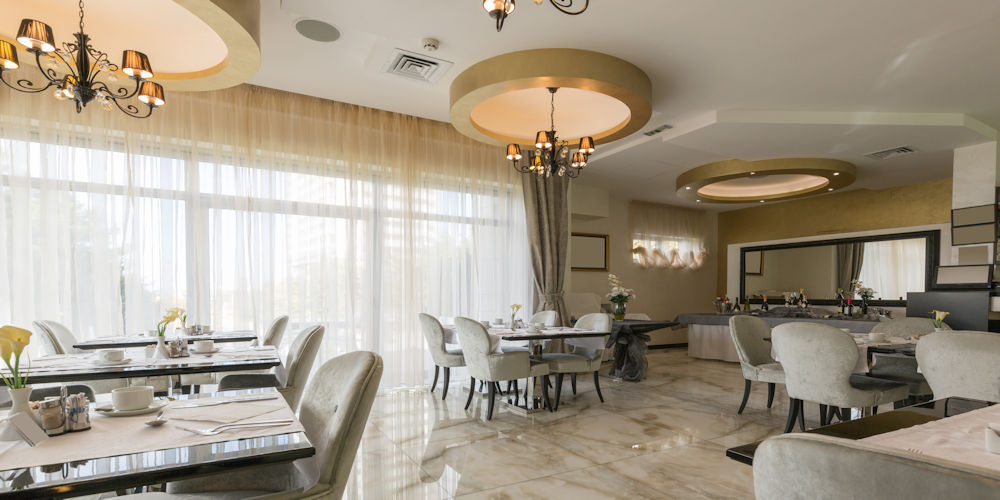
Restaurant and café interiors rely heavily on atmosphere and flow. Guests judge the experience long before they taste the food. Acoustics, seating density, lighting levels and material choices all influence how long people stay, how comfortable they feel and whether they recommend you to others. A well-designed space supports efficient service, maximises covers without feeling cramped and subtly reflects your culinary concept, from relaxed brunch spot to fine dining destination.
Hotel and hospitality design has the added challenge of serving multiple user needs simultaneously. Reception, guest rooms, lounges, meeting areas and leisure facilities must all feel cohesive, while each space still performs its own role. Thoughtful zoning, durable yet welcoming finishes and intuitive wayfinding help guests feel at ease from the moment they arrive. Get this right and you strengthen your brand, encourage repeat bookings and capture more positive reviews.
Healthcare interiors demand a different kind of sensitivity. Here, design impacts stress levels, recovery and staff performance. Natural light, clear signage, hygienic yet calming materials and logical layouts reduce anxiety for patients and families, while supporting safe, efficient workflows for clinicians. From GP surgeries to private clinics, an investment in well-planned healthcare interiors is an investment in patient experience and operational efficiency.
Education environments must inspire learning while standing up to heavy daily use. Classrooms, libraries, breakout spaces and specialist rooms all need to support different teaching styles and learning needs. Flexible furniture, robust finishes and considered acoustics allow spaces to adapt over time, while colour, graphics and lighting can create a sense of identity and pride for pupils and staff alike.
Across all these sectors, the thread that ties successful projects together is intentionality. When you treat each property type as a distinct design challenge – rather than forcing a generic aesthetic everywhere – you create commercial interiors that are not only visually impressive, but also measurably effective. In a competitive market, that difference is what keeps people coming back.
Branding Through Interior Design: Turning Space into a Physical Identity
Branding no longer begins and ends with a logo or a website. For many organisations, the most powerful expression of their brand is the space people actually walk into, sit down in and spend time within. Thoughtfully designed, brand-led interiors turn a building into a living, breathing expression of who you are and what you stand for.
Branded environments start with clarity: what is the story your space should tell the moment someone steps through the door? That story is then translated into a visual identity in interiors – not by simply pasting colours and logos onto walls, but by using a coherent language of form, light, texture, and layout. From the reception desk to the loos, every touchpoint can quietly reinforce the same personality and values.
Signage and wayfinding are often treated as an afterthought, yet they are one of the clearest opportunities to bring your brand voice off the page and into the real world. The style of your icons, the tone of your copy, the placement of directional signs – all of these can either frustrate visitors or guide them with ease, creating a customer experience design that feels considered and reassuring. When people instinctively understand where to go and what to do, they also feel they understand you.
Colour psychology plays a crucial role here. The hues you choose do much more than “match the brand palette”. Blues can signal trust and calm, yellows can suggest optimism and energy, greens often support messages of balance or sustainability. By applying colour with intent – in accent walls, furnishings, lighting and graphics – you shape how people feel in your space: focused, relaxed, energised or inspired, depending on what your brand promises.
Equally, materials and finishes turn abstract brand values into something visitors can literally touch. A technology brand that champions innovation and transparency might lean into glass, clean lines and refined metals; a heritage food brand might opt for warm timbers, handcrafted details and tactile fabrics. Durable, sustainable or luxurious finishes all send a message about your priorities. When those choices are aligned with your positioning, the interior becomes proof, not just promotion.
Ultimately, brand-led interiors are about designing a complete customer experience, not just a good-looking room. From the first glimpse of your façade to the last interaction at the exit, people are forming impressions: Is this space intuitive? Does it feel like it “fits” the brand I saw online? Do I feel welcomed, valued, understood? When your branded environments, signage and wayfinding, colour strategy and material choices all pull in the same direction, the answer to those questions is far more likely to be “yes”.
Investing in branding through interior design is therefore not a cosmetic exercise. It is a strategic way to turn your space into a physical identity – one that builds trust, strengthens recognition and makes every visit a memorable extension of your brand.
Space Planning and Layout: Making Every Square Metre Work Harder
When commercial property costs are at a premium, every square metre of your office has to earn its keep. Smart space planning is not about cramming more desks into the floorplate; it is about creating efficient layouts that support how your people actually work, now and in the future.
A key decision is often open-plan vs cellular offices. Open-plan spaces can boost transparency, ease communication and make flow and navigation more intuitive, but they can also be noisy and distracting. Cellular offices, on the other hand, provide privacy and are ideal for focused work and confidential conversations, yet they risk creating silos and underused pockets of space. The most effective workplaces increasingly adopt a blended approach: a primarily open-plan environment, complemented by carefully positioned enclosed rooms for meetings, concentration and leadership.
Agile working takes this a step further, recognising that people do different types of work throughout the day. Rather than assigning everyone a fixed desk, you provide a variety of settings: collaboration zones for team projects, quiet areas for deep focus, and informal breakout spaces for quick catch-ups or solo thinking time. This variety not only supports wellbeing and productivity, it significantly improves space utilisation because areas are used throughout the day for different purposes instead of sitting empty.
Hot-desking can be a powerful tool within an agile working strategy, especially if a proportion of your team works remotely. By reducing the number of dedicated desks and moving to shared workstations, you immediately start maximising usable space. The square metres you free up can then be reinvested in more valuable areas – such as additional collaboration zones, client-ready meeting rooms or comfortable breakout spaces that encourage informal interaction and innovation.
Storage solutions are another crucial, but often overlooked, element of effective space planning. Poorly planned storage quickly eats into valuable floor area and makes even the largest office feel cramped. By auditing what really needs to be kept on-site, moving to digital records where possible and using integrated, built-in storage, you can release substantial space. Tall, slim storage walls, for example, can double as room dividers, subtly guiding the flow and navigation of the office while keeping clutter out of sight.
Ultimately, maximising usable space is about designing a workplace around behaviours, not just furniture. When you strategically balance open-plan vs cellular offices, embrace agile working and hot-desking where appropriate, and combine them with thoughtful storage solutions, collaboration zones and breakout spaces, you create an office where every square metre works harder. The result is a more efficient layout that supports productivity, flexibility and a better everyday experience for your people – without the cost and disruption of moving to larger premises.
Lighting, Colour and Materials: Setting the Mood and Influencing Behaviour
Lighting, colour and materials are not just aesthetic choices; they are powerful tools that shape how people feel, behave and interact in a commercial space. When approached strategically, they can transform a purely functional environment into one that supports focus, collaboration, wellbeing and even brand perception.
Thoughtful commercial lighting design starts with understanding how people will use the space. Natural light should be maximised wherever possible: it supports circadian rhythms, boosts mood and helps people feel more connected to their surroundings. Large windows, glazed partitions and light-reflective surfaces can help daylight penetrate deeper into a floorplate, reducing dependence on artificial light and contributing to energy efficiency.
Artificial lighting should then be layered to complement this. Task lighting ensures that desks, reception counters and meeting tables are properly illuminated for detailed work, reducing eye strain and fatigue. Ambient lighting creates a comfortable base level of brightness across open-plan areas and circulation zones, setting the overall mood. Warmer ambient lighting can make lounges, breakout spaces and hospitality areas feel more relaxed and welcoming, while cooler, crisper tones in work zones can encourage alertness and concentration. Feature lighting can be used sparingly to draw attention to key areas such as entrances, brand elements or product displays, reinforcing the desired behavioural cues.
Colour schemes play a similarly influential role. Calmer, muted palettes can help reduce visual noise in busy offices, healthcare settings or educational spaces, supporting focus and lowering stress levels. Strategic pops of brand colour can signal zones, aid wayfinding and energise collaborative areas. In customer-facing environments, colour can subtly guide behaviour: warmer tones might encourage longer dwell times in hospitality or retail, while clearer contrasts and high-visibility accents in circulation areas can improve safety and flow.
The materials you specify are equally important in shaping mood and behaviour over the long term. Durable materials such as high-quality laminates, robust upholstery and hard-wearing flooring options ensure the space continues to look and feel professional despite heavy use. This durability is not only a cost consideration; a well-maintained, tidy environment communicates care, reliability and attention to detail, reinforcing trust in your organisation.
Acoustic solutions should never be an afterthought. Panels, baffles, acoustic wall coverings and carefully chosen soft furnishings can dramatically improve sound quality, making conversations clearer and reducing disruptive background noise. This is critical in open-plan offices, schools, hospitality venues and healthcare settings, where poor acoustics quickly lead to frustration, distraction and fatigue. By managing reverberation and sound transfer, you create spaces where people can concentrate, collaborate and communicate without strain.
Flooring options can be used to define zones and influence the way people move through a space. Changes in texture, pattern or colour can subtly signal a shift from public to semi-private areas, from focused work zones to social hubs, or from front-of-house to back-of-house. Anti-slip finishes in high-traffic routes, softer underfoot solutions in standing areas and acoustic backing beneath carpets or luxury vinyl tiles all contribute to comfort, safety and a more considered experience.
Finally, sustainable finishes are increasingly non-negotiable. Low-VOC paints, responsibly sourced timber, recycled content in carpets and tiles, and environmentally certified surface materials not only reduce a project’s environmental footprint; they also support healthier indoor air quality and align your space with the values of staff, clients and visitors. When people know they are in an environment that respects both their wellbeing and the planet, it reinforces positive sentiment and pride in the place where they work or visit.
By treating lighting, colour and materials as interconnected elements of your commercial lighting design and interior strategy, you can deliberately set the mood and guide behaviour. The right combination of natural light, layered task and ambient lighting, carefully considered colour schemes, durable materials, acoustic solutions, appropriate flooring options and sustainable finishes will work together to create a space that feels good, functions brilliantly and reflects who you are as a brand.
Technology Integration in Modern Commercial Interiors
Technology integration is no longer a “nice to have” in modern commercial interiors; it is the backbone of how people now work, meet and collaborate. When planned properly from day one, it transforms a space from simply looking contemporary to genuinely performing for its users.
Smart office technology is at the heart of this shift. Intelligent sensors, occupancy data and building management systems now inform everything from lighting and temperature to room bookings and cleaning schedules. Instead of relying on guesswork, facilities teams gain live insight into how spaces are used, helping them right-size their floorplates, reduce energy consumption and improve comfort. A smart office is not just more efficient; it is more responsive and more enjoyable to work in.
AV integration has also moved from bulky add-on to seamless background infrastructure. Meeting room tech must “just work” if you want staff to actually use it. That means integrated displays, ceiling microphones, discreet speakers and simple, intuitive control panels that allow anyone to launch a video call or presentation in seconds. When AV integration is designed into the interior from the outset, cable runs, equipment racks and acoustic treatments are all planned together, creating a cleaner aesthetic and a far better user experience.
Digital signage is another powerful tool that is too often treated as an afterthought. Thoughtfully located screens can guide visitors, display meeting room availability, share live company updates or even adapt branding for different tenants or events. When digital signage is integrated properly into reception areas, lift lobbies and breakout spaces, it becomes part of the architectural storytelling, not just a TV stuck on a wall.
The rise of hybrid working solutions has only intensified the need for joined-up technology. Staff now expect to be able to move between home and office without friction. That demands robust meeting room tech that supports all major video platforms, plug-and-play connections, wireless presentation tools and clear audio for remote participants. Touch-free systems, such as sensor-activated doors, app-based room booking and contactless visitor check-in, not only support hygiene but also streamline the user journey through the building.
Power and data planning underpins all of this. Without sufficient, well-located power and data points, even the smartest technology becomes a daily frustration. Planning needs to consider flexible furniture layouts, hot-desking, future equipment upgrades and increased bandwidth demands. Floor boxes, desk modules, wall outlets and wireless access points all need to be coordinated early, so that technology supports flexible, evolving ways of working rather than restricting them.
Finally, when all these elements feed into integrated building management systems, you get a truly modern commercial interior. Lighting, HVAC, access control, security, energy monitoring, smart office technology and AV integration can all be monitored and controlled from a central platform. This allows building owners and occupiers to fine-tune performance, reduce running costs and create consistently better environments for their people.
In short, technology integration is now a decisive factor in how attractive, efficient and future-ready a commercial interior really is. By treating smart office technology, AV integration, digital signage, hybrid working solutions, power and data planning, touch-free systems and building management systems as core design components rather than bolt-ons, you create workplaces that not only look modern today, but remain adaptable and competitive for years to come.
Sustainability and Wellbeing: Designing Healthier, Greener Commercial Spaces
Sustainability and wellbeing are no longer “nice-to-have” extras in commercial design; they are fast becoming baseline expectations for employees, clients and investors alike. Thoughtful, sustainable interior design can transform workplaces into healthier, greener environments that not only reduce environmental impact but also actively support wellbeing at work.
A genuinely sustainable interior starts with the materials you choose. Opting for eco-friendly materials – from low-VOC paints and adhesives to responsibly sourced timber and recycled finishes – can dramatically improve indoor air quality while lowering the embodied carbon of a fit-out. High-performance insulation, efficient glazing and thoughtfully specified furnishings help reduce energy demand over the life of the building, rather than simply ticking a box at the point of installation.
Energy-efficient lighting is another critical lever. LED systems with smart controls, occupancy sensors and daylight harvesting do far more than cut electricity bills; they contribute to visual comfort, reduce eye strain and support circadian rhythms. When lighting is designed around people and supported by technology, it creates spaces that feel more natural and less fatiguing, especially in open-plan offices and deep-plan floorplates.
Biophilic design takes this people-centred approach a step further. Integrating natural elements such as plants, living walls, timber, stone and natural light has been shown to reduce stress, improve concentration and enhance mood. Even in dense urban locations, carefully planned biophilic features – from indoor planting schemes to views of outdoor greenery – can make a measurable difference to wellbeing at work and overall productivity.
These design choices do more than create pleasant spaces; they support recognised standards and frameworks such as BREEAM and LEED. Targeting these certifications encourages a holistic view of building performance, from water and energy use to materials, acoustics and health. For organisations with clear ESG commitments, achieving BREEAM or LEED ratings is a visible, credible way to demonstrate that corporate responsibility is embedded in the fabric of their workplaces, not confined to annual reports.
In a market where talent is mobile and stakeholders are increasingly sustainability-literate, healthier, greener commercial spaces are a strategic investment. By combining sustainable interior design, eco-friendly materials, energy-efficient lighting and biophilic design, businesses can significantly enhance indoor air quality and create environments that genuinely support wellbeing at work. The result is a workplace that aligns day-to-day experience with long-term ESG goals – a tangible expression of an organisation’s commitment to people, planet and performance.
Refurbishment vs Relocation: Using Interior Design to Unlock Hidden Value
When your workplace no longer fits your needs, it’s tempting to assume relocation is the only answer. Yet in many cases, a strategic office refurbishment can unlock far more value than an expensive and disruptive move. By looking at your space through an interior design lens, you can transform how it works, feels and performs – often within your existing footprint and lease.
A considered CAT A and CAT B fit-out is central to this. CAT A works ensure the base building elements – ceilings, lighting, mechanical and electrical services – are efficient, compliant and future-ready. Layering CAT B design on top then brings your brand, culture and ways of working to life: zoning for collaboration and focus, integrating technology, and creating layouts that support hybrid working. Together, these elements can make an older office feel like a completely new workplace, without the cost and upheaval of relocation.
Reconfiguring existing space is one of the most powerful levers. Many offices are simply not planned to match today’s patterns of use. By reviewing occupancy data and workstyles, you can rationalise under-used areas, introduce agile neighbourhoods, or consolidate teams more intelligently. The result is often a smaller but higher-performing footprint, freeing up surplus space for subletting, amenities, or future growth.
Cost-effective upgrades also play a crucial role. You don’t always need a full strip-out to make a meaningful difference. Targeted improvements to lighting, acoustic treatments, floor finishes and furniture can dramatically enhance staff comfort and productivity. Updating reception and client-facing areas alone can transform how your organisation is perceived, supporting recruitment, retention and business development.
Phased refurbishments are invaluable when you need to minimise disruption. Rather than decanting to a temporary office or running down productivity, an experienced design and fit-out team can sequence the works around your operations – tackling one floor, wing or department at a time. Night and weekend working, swing spaces and careful communication ensure your people remain engaged and your business continues to function smoothly throughout.
Finally, refurbishment should be considered alongside your lease negotiations. A clear, costed refurbishment strategy can give you real leverage with your landlord – whether you’re seeking rent-free periods, contributions to CAT A improvements, or more flexible terms in return for extending the lease. In some cases, the landlord may even welcome an occupier-led refurbishment that enhances the building’s overall appeal and long-term value.
When viewed strategically, office refurbishment is not just about fresh paint and new furniture; it is a business tool. By combining smart interior design, thoughtful CAT A and CAT B fit-out, and a phased, low-disruption delivery plan aligned with your lease position, you can unlock hidden value in your current workplace – and turn a “make do” office into an asset that actively supports your future.
Working with an Interior Designer for Commercial Properties: Process, Costs and Timelines
Working with a commercial interior designer in the UK is far more straightforward – and more valuable – than many business owners expect. A good designer will guide you through a clear, structured process that keeps your brand, staff, customers and bottom line at the centre of every decision.
It all begins with a detailed design brief. This is where you and your commercial interior designer clarify what you want your space to achieve: how it should look, feel and function, who will use it, any operational requirements, compliance issues and your overall budgets and timescales. A strong, honest brief at the outset is the single best way to avoid costly changes later on.
From there, your designer develops the concept design. This is the creative stage where ideas take shape: mood boards, initial layouts, example finishes, brand integration and early cost guidance. Concept design allows you to react to the overall direction before anything is locked in. Once you are happy with the concept, the designer refines the space planning to ensure every square metre is working hard for your business, optimising flow, capacity, storage, and key adjacencies such as back-of-house areas and customer zones.
The next step is turning ideas into precise information that fit-out contractors can price and build from. Your designer will prepare technical drawings and specifications – detailed plans, elevations, joinery details, lighting layouts and schedules of finishes and fixtures. This technical package is essential for accurate tenders, smooth site work and compliance with UK building regulations and health and safety requirements.
When it comes to costs, a commercial interior designer in the UK will usually discuss professional fees with you up front, based on the scope and complexity of your project. Fees may be a fixed sum, a percentage of the construction cost, or a staged approach linked to each design phase. A transparent fee structure makes it easier to weigh value against investment, and a good designer will also help you build and manage realistic budgets for the fit-out itself, including contingencies for unforeseen issues.
Your designer can support you in obtaining competitive quotations from fit-out contractors and help you evaluate them on more than price alone: programme, quality, experience in your sector and approach to health and safety all matter. Many clients choose to retain their designer for project management services, so there is a single point of contact overseeing design quality, coordination with contractors and suppliers, and adherence to agreed timescales and budgets. This can significantly reduce stress and the risk of overspend.
As for timelines, the duration of a commercial interior project in the UK will depend on the size and complexity of the space, approvals required, landlord consents and whether the premises remain operational during works. Your designer will outline a realistic programme at the start: how long each design stage should take, when you will need to make key decisions and how the construction phase is likely to run. Crucially, they will help you sequence works to minimise disruption to your business and prevent delays that can quickly become expensive.
In short, partnering with a commercial interior designer is not an indulgence; it is a controlled, professional route to creating a space that works hard for your organisation. Through a clear brief, thoughtful concept design, rigorous space planning and well-coordinated technical drawings, supported by experienced project management, you gain far greater certainty over budgets, timescales and outcomes – and an environment that truly supports your commercial goals.
Using Interior Design to Future-Proof Your Commercial Property
Using interior design to future-proof your workspace is no longer a “nice to have” – it is a strategic decision that directly influences how your business performs, grows, and is perceived. The right design choices today create flexible interiors that can adapt to new ways of working, emerging technologies, and shifting market demands without the need for constant, costly overhauls.
A carefully planned, future-proof workspace does more than look good. It plays a crucial role in attracting talent by signalling that your business is progressive, people-focused, and serious about wellbeing. Thoughtful layouts, ergonomic furniture, collaborative zones and quiet areas all help you compete in a tight labour market, supporting productivity and staff retention.
The benefits extend beyond your team to every person who walks through your doors. By enhancing customer experience with clear wayfinding, welcoming reception areas, comfortable meeting spaces and a strong brand presence, your interior becomes an active tool for building loyalty and trust. Clients and visitors form their first impressions within seconds; a well-designed environment ensures those impressions work in your favour.
All of this contributes directly to long-term property value. A commercial property that is adaptable, energy-efficient and designed around modern working practices will remain attractive to occupiers and investors, even as trends change. Future-ready spaces are easier to reconfigure, cheaper to maintain and more resilient in the face of uncertainty, protecting your investment over time.
To achieve this, partnering with a commercial interior designer is key. An experienced designer understands how to translate your business goals into a workspace that is beautiful, practical and robust enough to evolve. They will challenge assumptions, identify opportunities you may have missed, and guide you through choices that balance budget, brand, and future needs.
If you are ready to take the next step, now is the time to reassess your commercial environment. Consider how well it supports your people, your customers and your long-term ambitions. With the right interior design partner, you can create a future-proof workspace that works hard for your business today, and is ready for whatever tomorrow brings.